Should My 2-Year-Old Start ABA or Speech Therapy?
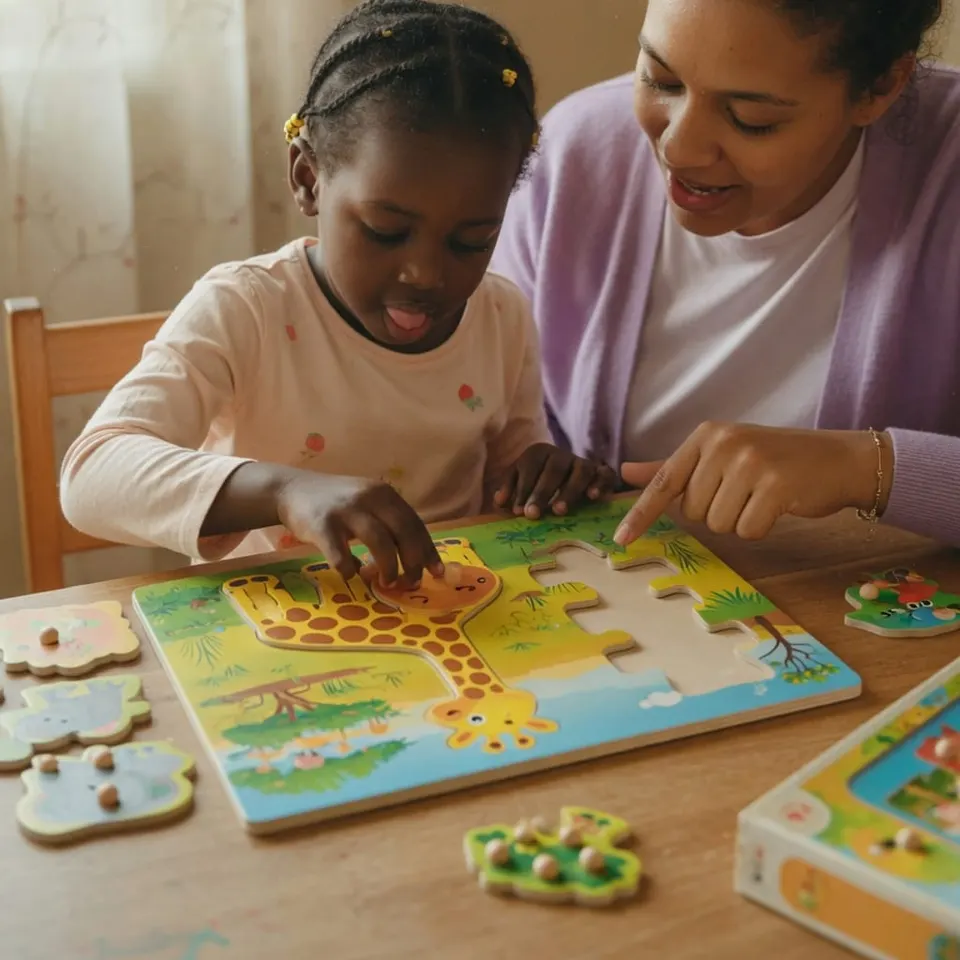
In short: Both ABA and speech therapy can benefit a 2-year-old, but the best choice depends on your child's primary needs. ABA focuses on overall behavior, communication, and daily living skills, while speech therapy targets specific speech and language delays. Many children do well with both, and a free matching service can help you find vetted providers who coordinate care.
Key takeaways
- ABA therapy addresses communication through behavior principles and often starts earlier for children with autism.
- Speech therapy zeroes in on articulation, expressive/receptive language, and feeding skills.
- Insurance often covers both ABA and speech therapy for autism, including Medicaid in many states.
- For a 2-year-old, a combined approach with ABA and speech is common and effective.
Understanding ABA and Speech Therapy
When you're considering therapies for your 2-year-old, it's easy to feel overwhelmed by the options. Applied behavior analysis (ABA) and speech-language therapy are two of the most common recommendations for young children with autism or developmental delays. But they serve different-and often complementary-purposes.
What Is ABA Therapy?
ABA is a science-based approach that focuses on understanding and improving socially significant behaviors. For a 2-year-old, that might mean teaching them to make eye contact, use gestures, follow simple instructions, or engage in play with others. A board-certified behavior analyst (BCBA) designs a program tailored to your child, breaking down skills into small steps and using positive reinforcement to encourage learning. While ABA is often associated with autism, it can help any child who needs support with behavior or communication.
What Is Speech Therapy?
Speech therapy is delivered by a licensed speech-language pathologist (SLP). For toddlers, this often means working on pre-language skills (like imitating sounds), building vocabulary, improving sentence structure, and addressing articulation or feeding issues. An SLP can also help with social communication, such as turn-taking in conversation. Speech therapy is more narrowly focused on the mechanics of speech and language itself.

🔗 Related reading: Skin Picking in Autism: ABA Behavior Plan Guide · Local ABA Therapy
Key Differences at Age 2
At two years old, your child is in a critical window for language development. The main difference between ABA and speech therapy lies in their scope. ABA is broader-it looks at the whole child, including behavior, social interaction, and daily living skills. Speech therapy is more specialized, targeting the production and understanding of language. For example, if your child doesn't speak at all, a speech therapist might work on sound imitation, while an ABA provider might first teach them to point or use a picture exchange system to communicate.
Should You Start with ABA or Speech?
The short answer: it depends on your child's specific needs and the availability of services. Many families begin with a comprehensive evaluation to determine where the biggest gaps are. If your child's main challenge is a significant language delay with no other behavioral concerns, speech therapy might be the first step. But if your child also has meltdowns, doesn't engage with others, or struggles with basic routines, ABA can lay the foundation for learning-including speech.
The Case for ABA First
ABA is often recommended as the primary therapy for young children with autism because it builds readiness to learn. A child who can sit for short periods, follow a schedule, and respond to their name will absorb more from speech therapy. In many states, Early Intervention programs (Part C of IDEA) may offer ABA or suggest it alongside speech. Using our free service, you can be matched with BCBA-led ABA providers who can help assess your child's needs and coordinate with an SLP.
The Case for Speech First
If your child has a relatively mild delay in speech but no major behavioral issues, starting with speech therapy may be appropriate. An SLP can give you strategies to model language at home and address specific concerns like stuttering or feeding. However, for a child with autism, speech therapy alone rarely addresses all the social and behavioral challenges that can impact language learning.

🔗 Related reading: ABA for Elopement: Preventing Child Running Away in Parking Lots · Nearby ABA Therapy
How They Work Together
In practice, many children receive both ABA and speech therapy simultaneously. A good ABA provider will incorporate speech goals into the daily program, while the SLP provides specialized input. For instance, an ABA therapist might use a token system to encourage a child to say 'more' during snack, and the SLP might teach the child to produce that sound. The key is collaboration-look for providers who communicate regularly. Our free matching service connects you with vetted BCBA-led providers who are experienced in working alongside speech therapists.
What About Insurance and Costs?
Both ABA and speech therapy are often covered by private insurance and Medicaid, especially when a child has an autism diagnosis. Check your plan for specifics: many have annual limits on speech therapy visits but no cap on ABA if deemed medically necessary. For uninsured families, some states offer free or low-cost services through Early Intervention. We recommend contacting your insurance and asking about coverage for ABA and speech. Our service can help you find ABA providers who accept your plan.
Practical Tips for Parents
- Get an evaluation first. A developmental pediatrician or a regional center can assess your child's needs before starting therapy.
- Look for providers who use play-based approaches. For a 2-year-old, therapy should be fun and natural.
- Ask about parent training. Both ABA and speech should include strategies you can use at home.
- Monitor progress. If you don't see improvements in a few months, adjust the therapy mix.
- Avoid common mistakes: don't wait to start because 'he'll grow out of it', and don't assume one therapy can replace the other. Early intervention matters most.
Making Your Decision
Ultimately, you don't have to choose between ABA and speech therapy. For a 2-year-old with autism or significant delays, starting with ABA often creates a solid base for learning-including speech. But talk to your pediatrician, an SLP, and a BCBA to get personalized advice. And remember, our free matching service is here to help you find a trusted ABA provider who can guide you through the process.