Does ABA Therapy Work for Nonverbal Autism? A Comprehensive Guide
In short: ABA therapy is widely used to support nonverbal autistic individuals by teaching alternative communication methods, such as sign language or AAC devices. While it does not 'cure' nonverbal autism, many children make meaningful progress in expressing wants, needs, and emotions. Success depends on early intervention, individualized goals, and a strong therapist-family partnership.
Key takeaways
- ABA therapy focuses on building communication skills for nonverbal autism, often using AAC or sign language.
- Each ABA plan is tailored to the child's unique strengths and challenges, not a one-size-fits-all approach.
- Research shows ABA can improve functional communication and reduce challenging behaviors in nonverbal children.
- Early intervention (often through state programs and Medicaid) greatly increases positive outcomes.
Understanding Nonverbal Autism and Communication
Nonverbal autism describes individuals on the autism spectrum who do not use spoken language as their primary means of communication. This does not mean they cannot understand language or have nothing to say-rather, they express themselves through gestures, behaviors, pictures, or assistive technology. Around 25 to 30 percent of autistic children are minimally verbal or nonverbal, though many can learn to communicate effectively with the right supports.
Communication is about more than words. A child who points, leads an adult by the hand, or uses a picture exchange system (PECS) is actively communicating. Recognizing and honoring all forms of communication is the first step in building a strong foundation for ABA therapy.

🔗 Related reading: Autism Support Groups for Massachusetts Parents · Find ABA Near Me
What ABA Therapy Is (and Is Not)
Applied Behavior Analysis (ABA) is a scientifically validated therapy that uses principles of learning and behavior to increase useful skills and reduce behaviors that interfere with daily life. For nonverbal autism, ABA focuses heavily on communication, social interaction, and independence.
What ABA Is Not
- Not a cure: Autism is not an illness to be cured. ABA aims to teach skills, not erase autistic traits.
- Not forced compliance: Modern, ethical ABA prioritizes consent, choice, and the child's comfort.
- Not just for disruptive behavior: Many ABA programs focus on building positive skills like requesting, taking turns, and self-help.
The best ABA providers are led by a Board Certified Behavior Analyst (BCBA) who designs a personalized plan based on your child's unique needs, interests, and family goals.
How ABA Addresses Communication in Nonverbal Autism
ABA typically starts with a functional communication assessment. The BCBA identifies what the child already communicates (e.g., crying, reaching, looking) and then teaches a more effective, socially acceptable way to express the same need.
Common Communication Strategies in ABA
- Picture Exchange Communication System (PECS): The child hands a picture of a desired item to a communication partner.
- Sign Language: Simple signs for "more," "help," or "break" can reduce frustration.
- Augmentative and Alternative Communication (AAC) Devices: Tablets with speech-generating apps or dedicated devices.
- Modeling and Prompting: The therapist models the desired behavior and gradually reduces prompts.
- Reinforcement: Successful communication is immediately rewarded with access to the child's preferred activity or item.
The goal is not always spoken words. Many nonverbal children thrive using AAC, and ABA therapists are trained to teach and support these systems.
🔗 Related reading: Telehealth ABA in Florida: Rules, Coverage & How It Works · Nearby ABA Therapy
Evidence and Outcomes: Does It Really Work?
Numerous studies show that ABA therapy can significantly improve communication skills in nonverbal autistic children. A 2020 meta-analysis published in the Journal of Autism and Developmental Disorders found that early intensive ABA interventions led to gains in language comprehension and expression, though results vary by child. Importantly, children who start ABA before age four tend to show the most progress.
However, "works" means different things for different families. For some, success is learning to request a drink using a picture card. For others, it's reducing self-injurious behaviors so the child can engage more fully at home and school. ABA is not about forcing a child to speak-it's about giving them a reliable way to communicate.
Real-world outcomes depend on the quality of the program, the BCBA's experience with nonverbal children, and the family's active participation.
What to Expect in ABA Sessions for Nonverbal Autism
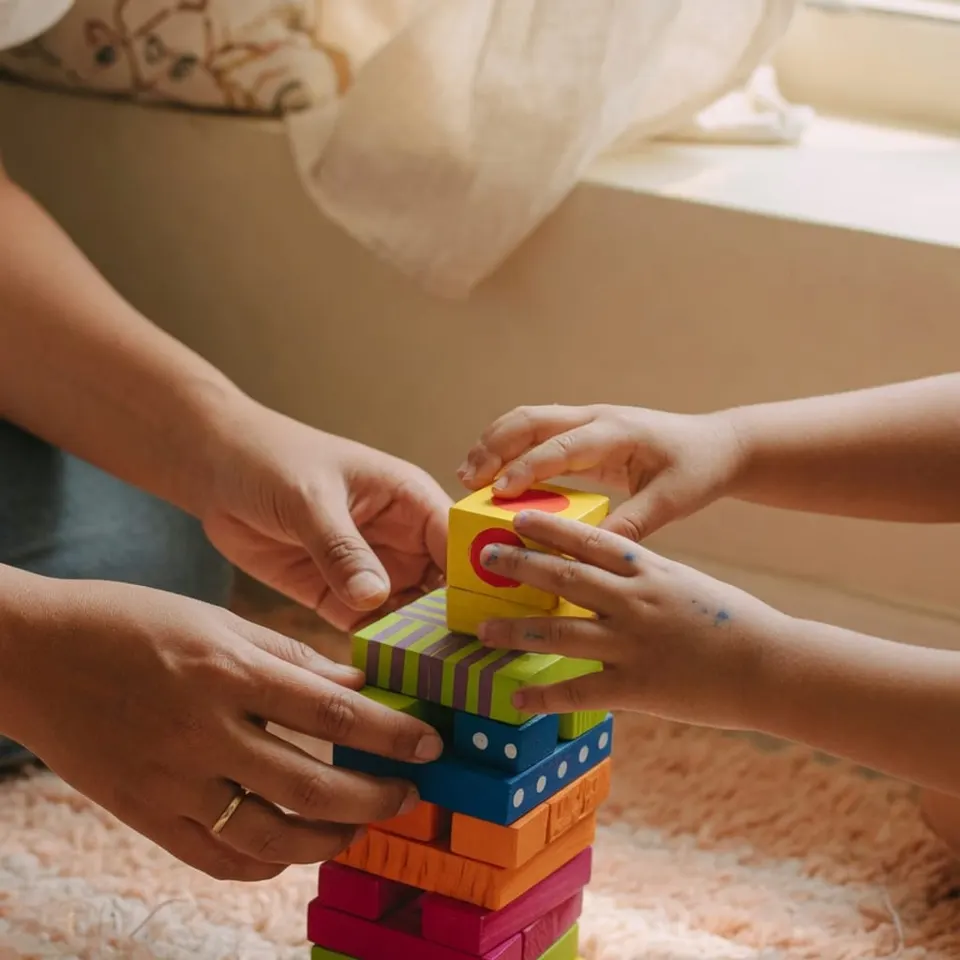
A typical session might look like play, but it is carefully structured to create learning opportunities. The therapist might set up a preferred toy just out of reach so the child is motivated to request it. The BCBA collects data on every attempt, tracking progress over time.
Key Components of Effective Sessions
- Pairing: The first step is building trust. The therapist pairs themselves with fun activities so the child enjoys working with them.
- Natural Environment Teaching (NET): Skills are taught in the child's natural routines (snack time, playing with blocks).
- Discrete Trial Training (DTT): Short, structured teaching trials for specific skills like matching a picture to an object.
- Parent Training: Parents learn to use ABA strategies throughout the day, ensuring consistency.
Sessions often happen at home, in a clinic, or at a community setting. The frequency and intensity vary, but many children receive 10-20 hours per week. Always start with a comprehensive assessment and a treatment plan that feels right for your family.
Cost and Insurance Coverage
ABA therapy can be expensive, with rates ranging from $60 to $150 per hour. Fortunately, most states require private insurance plans to cover ABA therapy for autism. Many families also qualify for Medicaid, which covers ABA in all states under the Early and Periodic Screening, Diagnostic and Treatment (EPSDT) benefit. Some states offer special autism programs, such as the California Regional Centers or Florida's iBudget, that may fund ABA.
To navigate coverage, it helps to work with a provider who accepts your insurance. The free matching service at ABA Therapy Now can connect you with vetted BCBA-led providers who have experience with nonverbal children and accept your plan. You can also contact your state's Department of Developmental Services or Early Intervention program (birth to age 3) to explore options.
Don't let cost deter you-many providers offer sliding-scale fees or pro bono hours if needed.
Practical Tips for Families Considering ABA
If you're thinking about ABA for your nonverbal child, here are some steps to get started:
- Get a diagnostic evaluation: You need an autism diagnosis (often from a developmental pediatrician or psychologist) to access insurance-funded ABA.
- Contact your state's Early Intervention program: For children under 3, early intervention is often free and can include ABA services.
- Interview multiple BCBAs: Ask about their experience with nonverbal children, their philosophy on AAC, and how they involve families.
- Observe a session: Make sure the therapist uses natural, play-based approaches and respects your child's cues.
- Track progress at home: Celebrate every new form of communication, whether it's a point, a sign, or a spoken word.
Remember, you are your child's best advocate. ABA should feel like a partnership, not a prescription.
Common Mistakes to Avoid
Waiting too long to start: The earlier a child gets support, the better the outcomes. Don't wait for a full diagnosis-if you suspect delays, seek help through early intervention.
Choosing a provider who pushes speech: Ethical ABA therapists respect all communication modes. Avoid any program that insists on spoken words as the only goal.
Neglecting parent training: ABA works best when families are involved. A good provider will teach you strategies to use throughout the day.
Ignoring the child's sensory needs: Some children need movement breaks or a quiet environment. A BCBA should incorporate sensory-friendly approaches.
Thinking ABA is a quick fix: Progress can be slow and nonlinear. Consistency and patience are key.
Finally, remember that ABA is just one tool. Many nonverbal autistic children also benefit from speech therapy, occupational therapy, and social skills groups. A holistic approach, coordinated with your child's team, yields the best results.
If you're feeling overwhelmed, you're not alone. ABA Therapy Now is a free service that helps families find the right match-whether it's an in-home provider, clinic-based program, or a specialist in AAC. We work with BCBA-led teams across the country who understand the unique needs of nonverbal children. Visit abatherapynow.com to get started on your free search today.